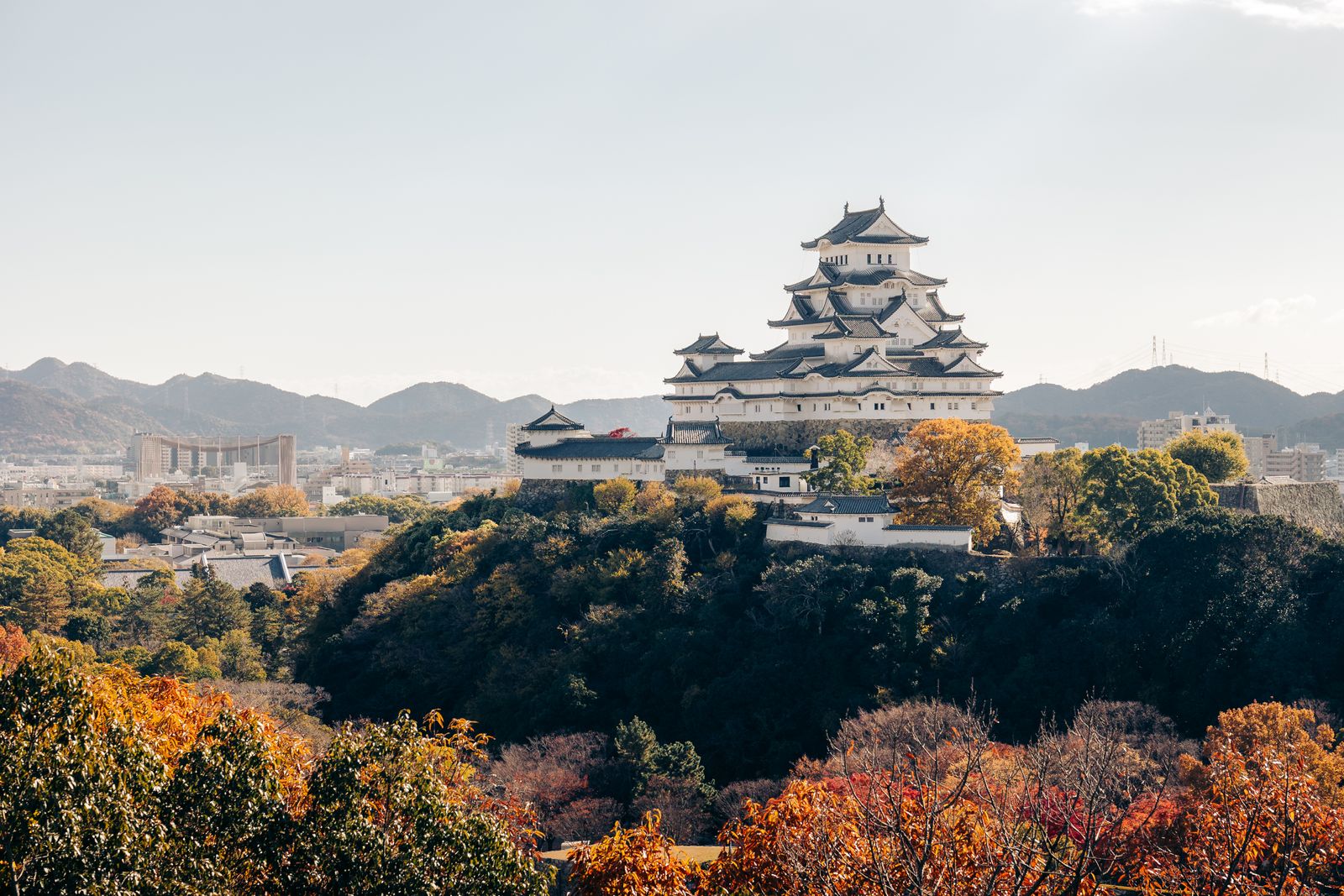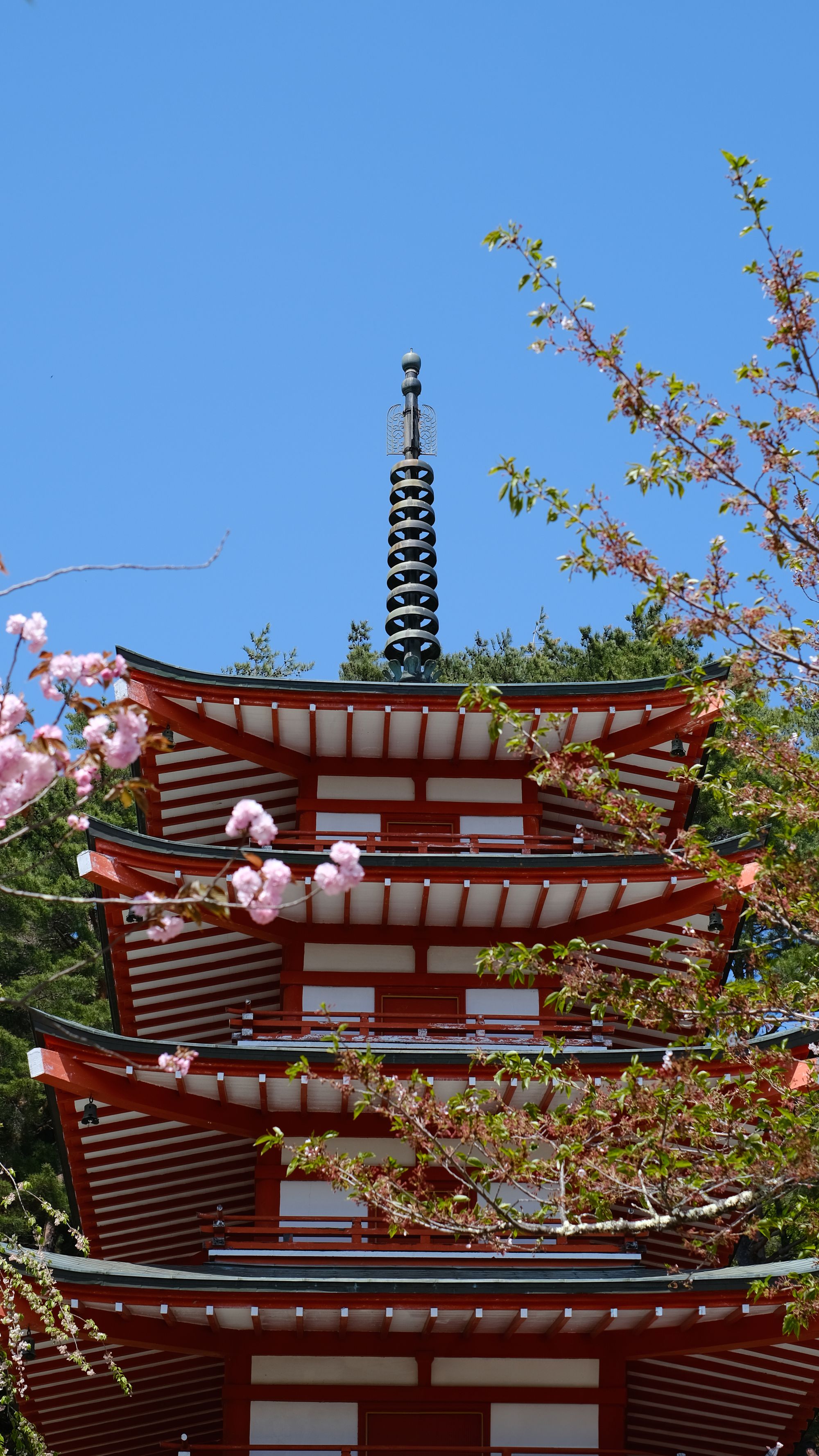
Chureito Pagoda framed by cherry blossoms with Mount Fuji beyond

The Government of Japan · Official Portal — a concept reimagining

Japan, told
in seasons.

From the work of the government to the wonder of the country — policy and technology, culture and craft, the seasons and the regions — bound here like a magazine that opens itself as you walk.

はる Spring — the year opens

Japan's year begins in April: the budget takes effect, schoolchildren cross under blossom, ministries publish their plans. Spring is when the country states its intentions — softly, and on paper the colour of petals.

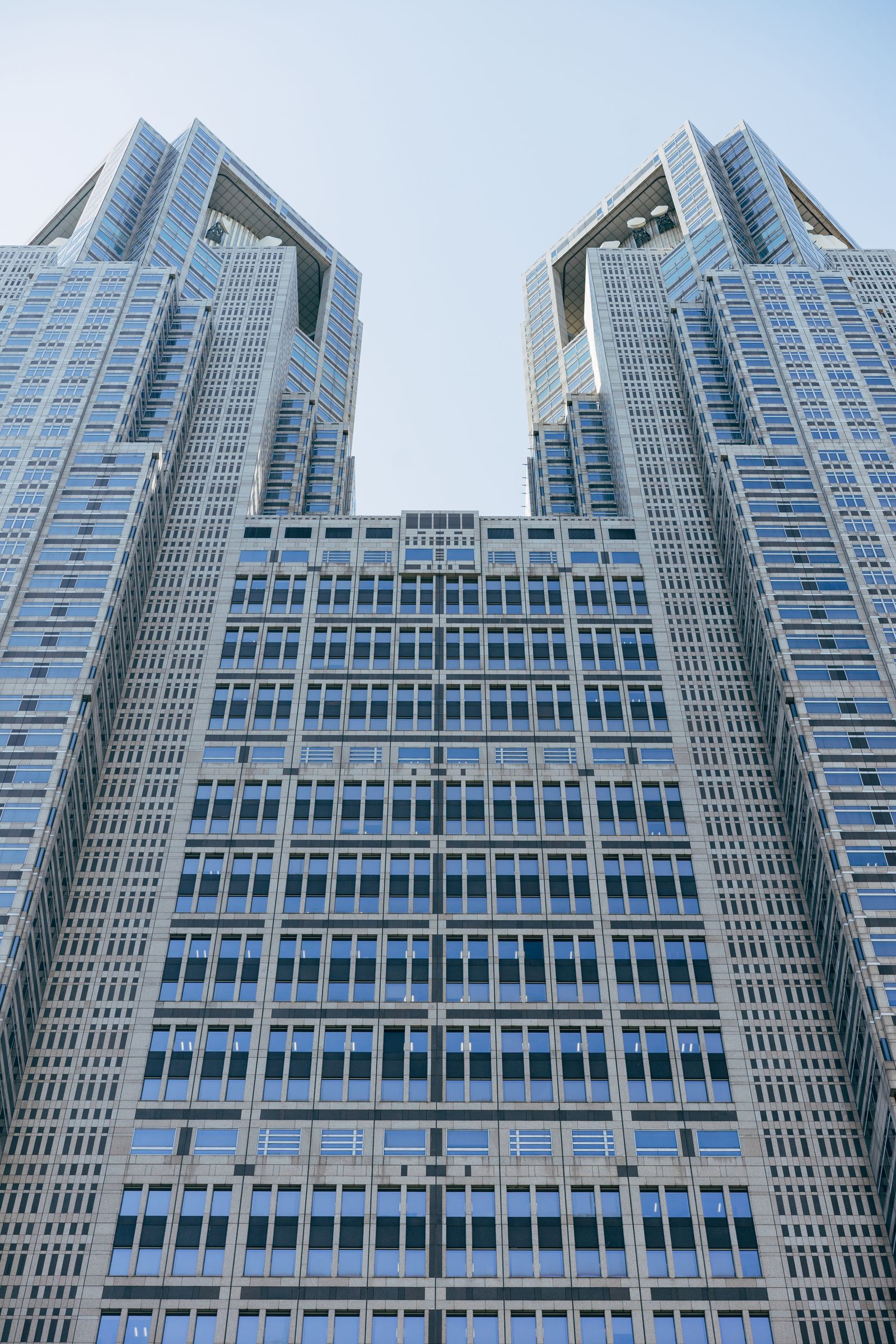
Tokyo Metropolitan Government Building seen from below

政策 Policy Highlight

The FY2026 budget: a nation written in numbers

The ¥115.2 trillion general-account budget takes effect with childcare, digital infrastructure and regional revitalisation at its core — the largest single-year commitment to the Digital Garden City vision to date.

Read the policy brief
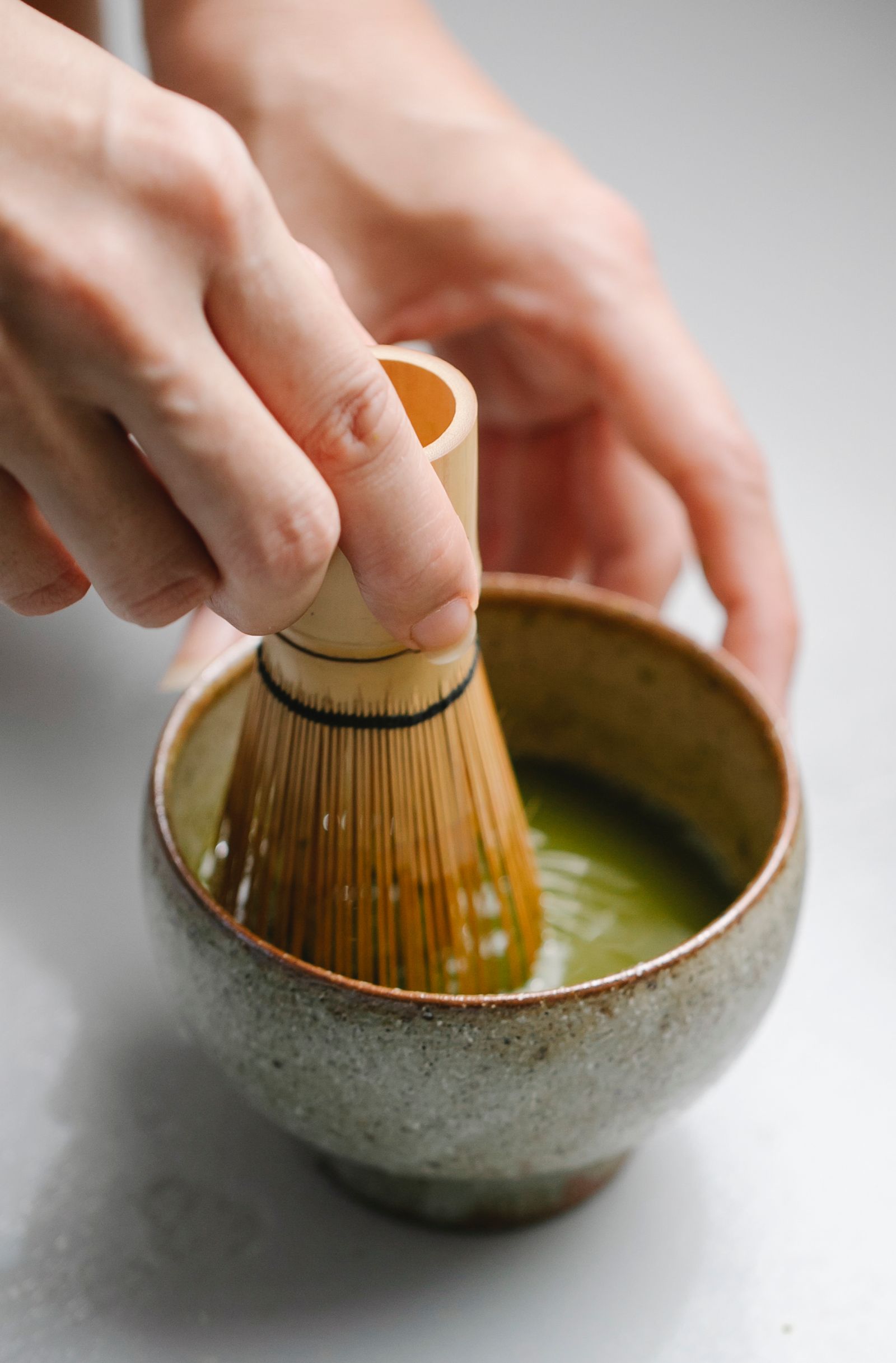
Hands whisking matcha in a ceramic bowl

文化 Culture

The way of tea, one bowl at a time

In a Kyoto tea room the year restarts not with fireworks but with a whisked bowl of matcha. We spend a morning with a fifteenth-generation tea master on why slowness is Japan's most durable technology.

Read the story
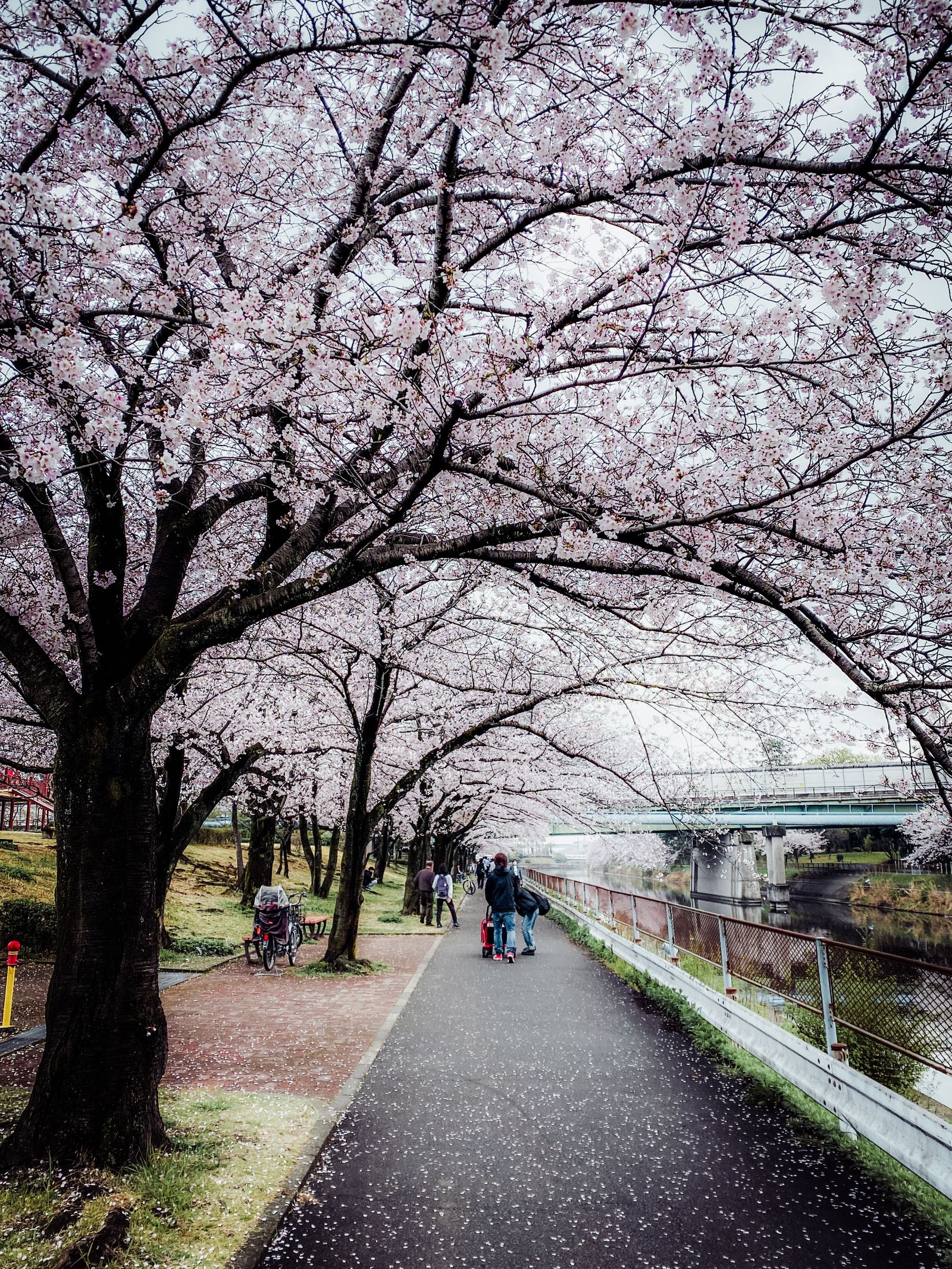
Cherry blossoms in full bloom along a Nagoya riverside path

社会 Society

Hanami economics: three weeks of blossom move a nation

The Meteorological Agency's blossom forecast is among the most consulted data Japan publishes. This year the front reached Tokyo on 24 March — and an estimated ¥650 billion followed it.

Follow the blossom front

なつ Summer — the country plugs in

Festival season and typhoon season, fireworks and 350 km/h. Summer is Japan at full voltage: the oldest celebrations carried on shoulders, the newest infrastructure humming underneath them.

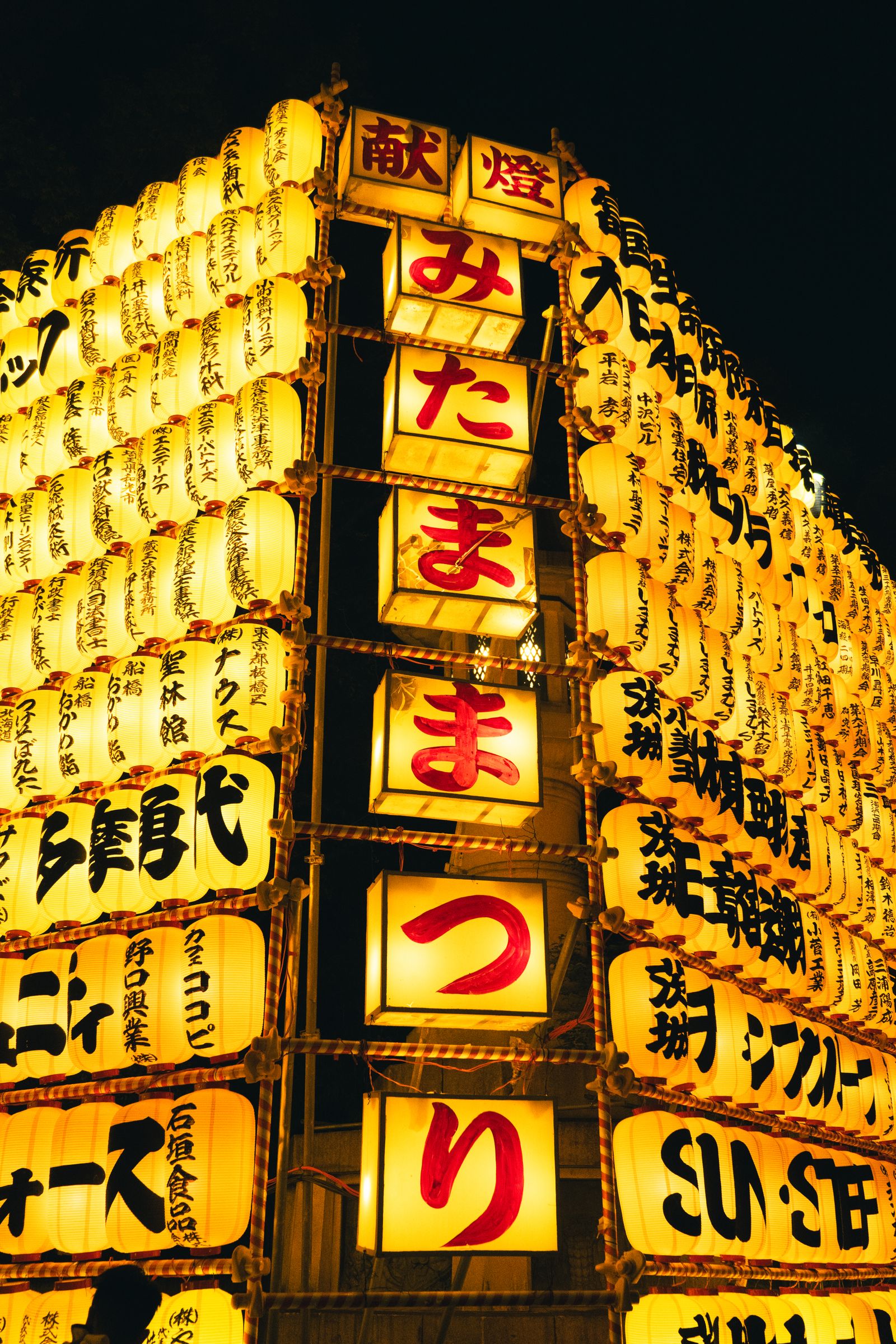
Rows of glowing Mitama festival lanterns at night in Tokyo

祭 Feature

Thirty thousand lanterns, one long exhale

At Yasukuni's Mitama Matsuri and a hundred festivals like it, summer nights turn amber. Local governments now treat the matsuri calendar as cultural infrastructure — funding apprenticeships so the craft of lantern, drum and float survives the villages' ageing.

Read the feature
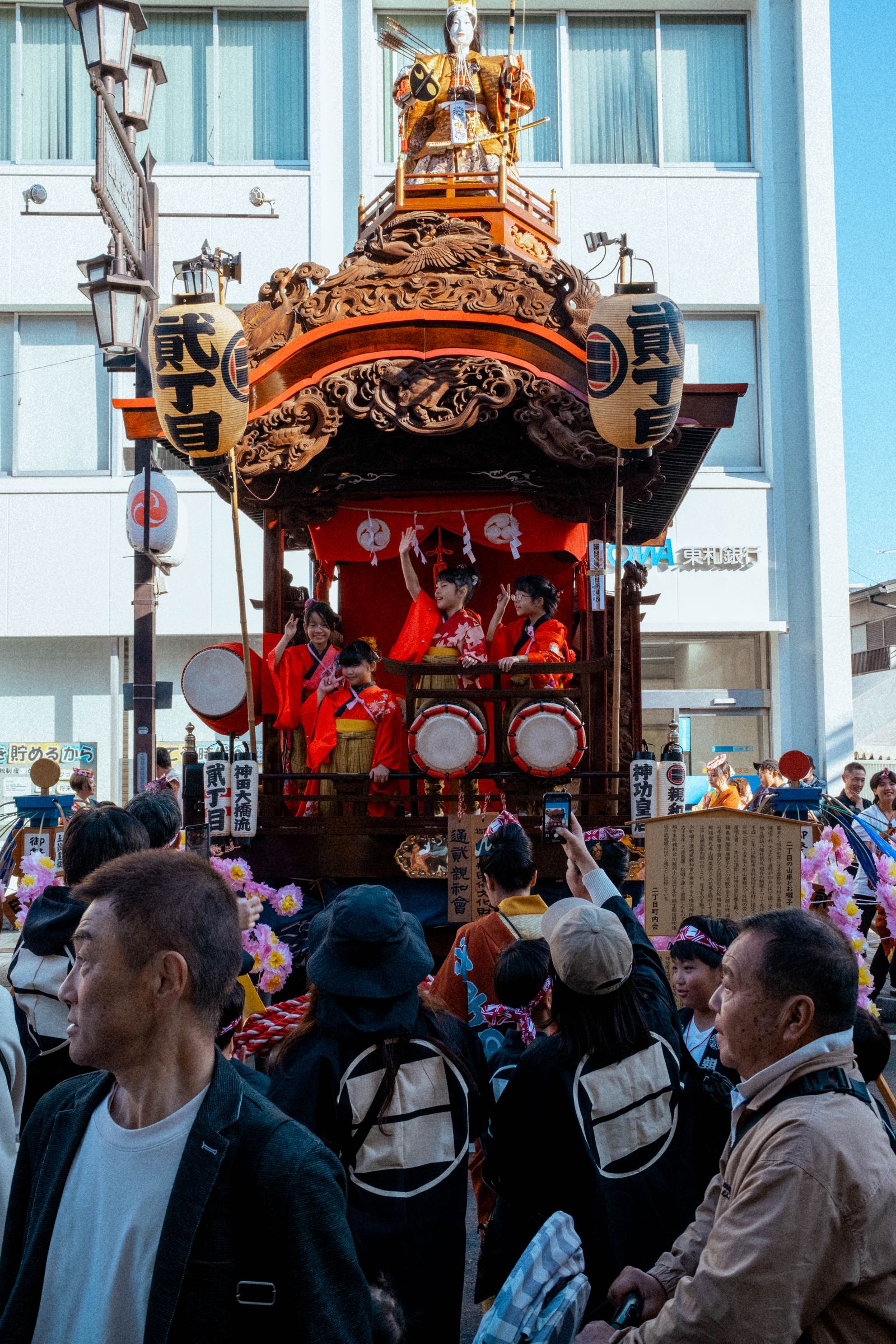
A festival float carried through a crowd in traditional costume

文化 Culture

Nebuta: painting with light in Aomori

Each August, twenty-tonne illuminated floats — warriors rendered in wire and washi — move through Aomori at walking pace. Behind them: a year of work by a guild of nebuta-shi, artists the city now pays as professionals.

Meet the float masters
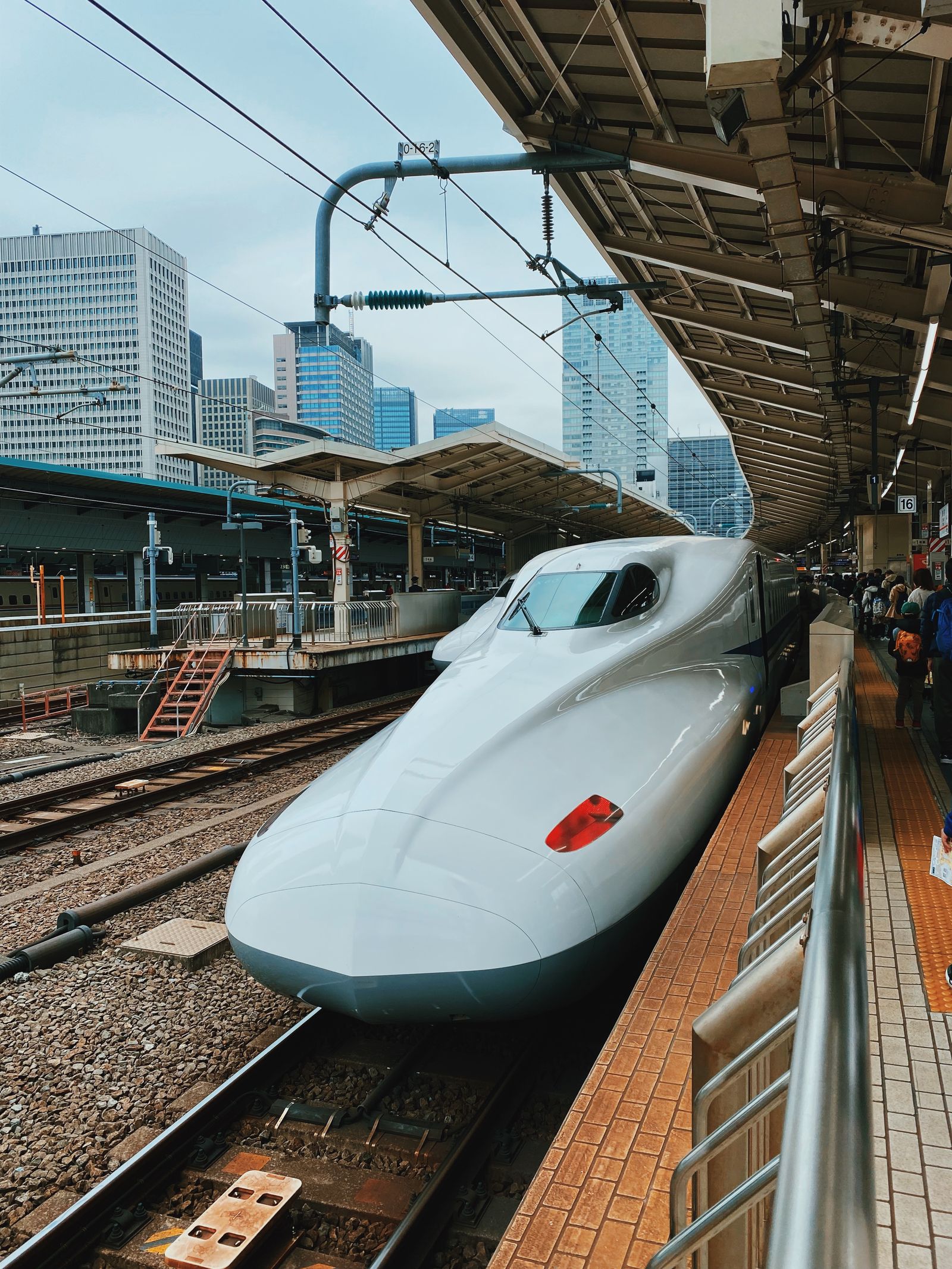
A Shinkansen bullet train at Tokyo Station

技術 Technology

Precision as public service: the Shinkansen at 62

Average delay per train, weather included: under a minute. The bullet train remains Japan's most legible argument that engineering can be a form of courtesy — and the new N700S exports the argument abroad.

Inside the timetable
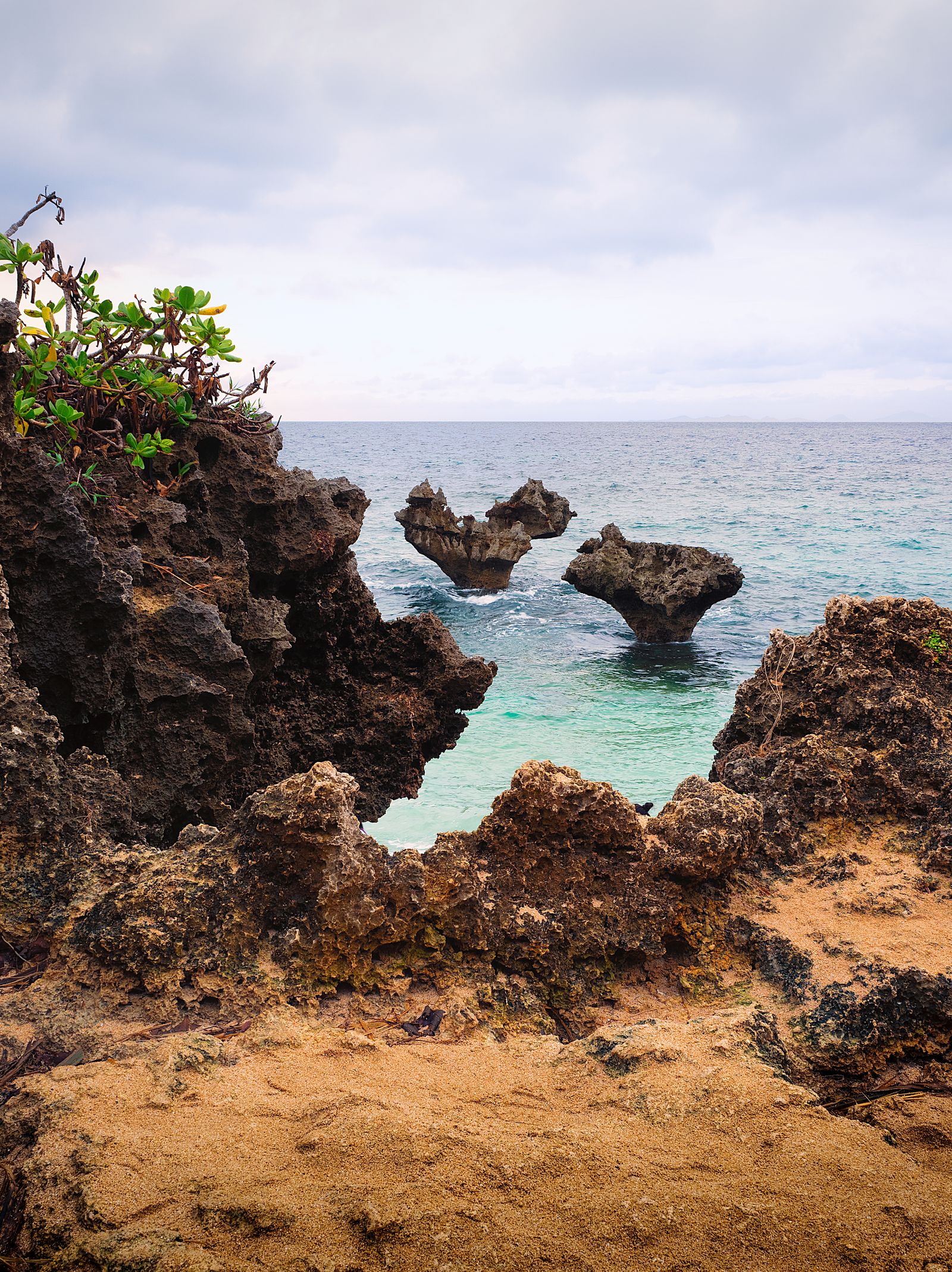
Heart-shaped rocks and turquoise water at Kouri Island, Okinawa

環境 Sustainability

Okinawa's blue: reefs, resilience and the GX coast

Under the Green Transformation programme, the Kerama reefs are becoming a living laboratory: coral restoration, blue-carbon accounting and a tourism levy that pays the ocean back.

Dive into the data
夏の政策

GX 2040: Cabinet approves the next tranche of offshore-wind and hydrogen corridors — 10 GW of new capacity anchored in Hokkaido and Kyushu, with grid storage built alongside. See the news digest →

あき Autumn — the season of appetite

Shokuyoku no aki — the autumn of appetite. Maple valleys go red, kilns are lit for the winter firing, and the year's harvest is plated with an attention the rest of the world calls cuisine and Japan calls ordinary care.

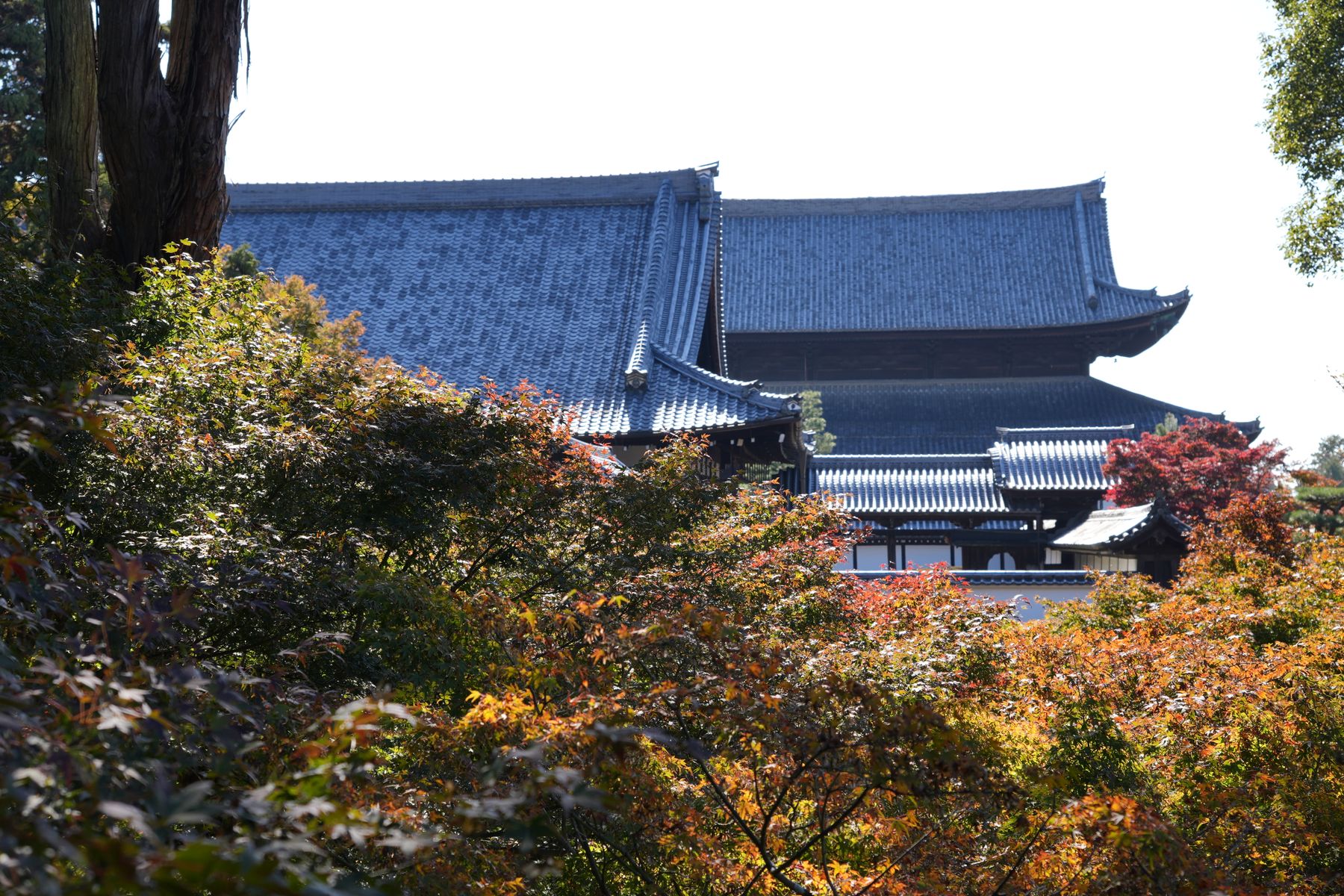
A Kyoto temple surrounded by red autumn maple

地域 Region SpotlightKyoto 京都

Kyoto learns to be loved gently

With visitors past pre-2020 records, the ancient capital is trialling timed entry at Tōfuku-ji, resident-first lanes at dawn, and a lodging tax that funds the conservation craftspeople who keep the maples — and the temples under them — standing.

  • 1,200+ years as a capital
  • 17 UNESCO World Heritage sites
  • ¥1,000 nightly accommodation levy, ring-fenced for heritage
How Kyoto manages wonder
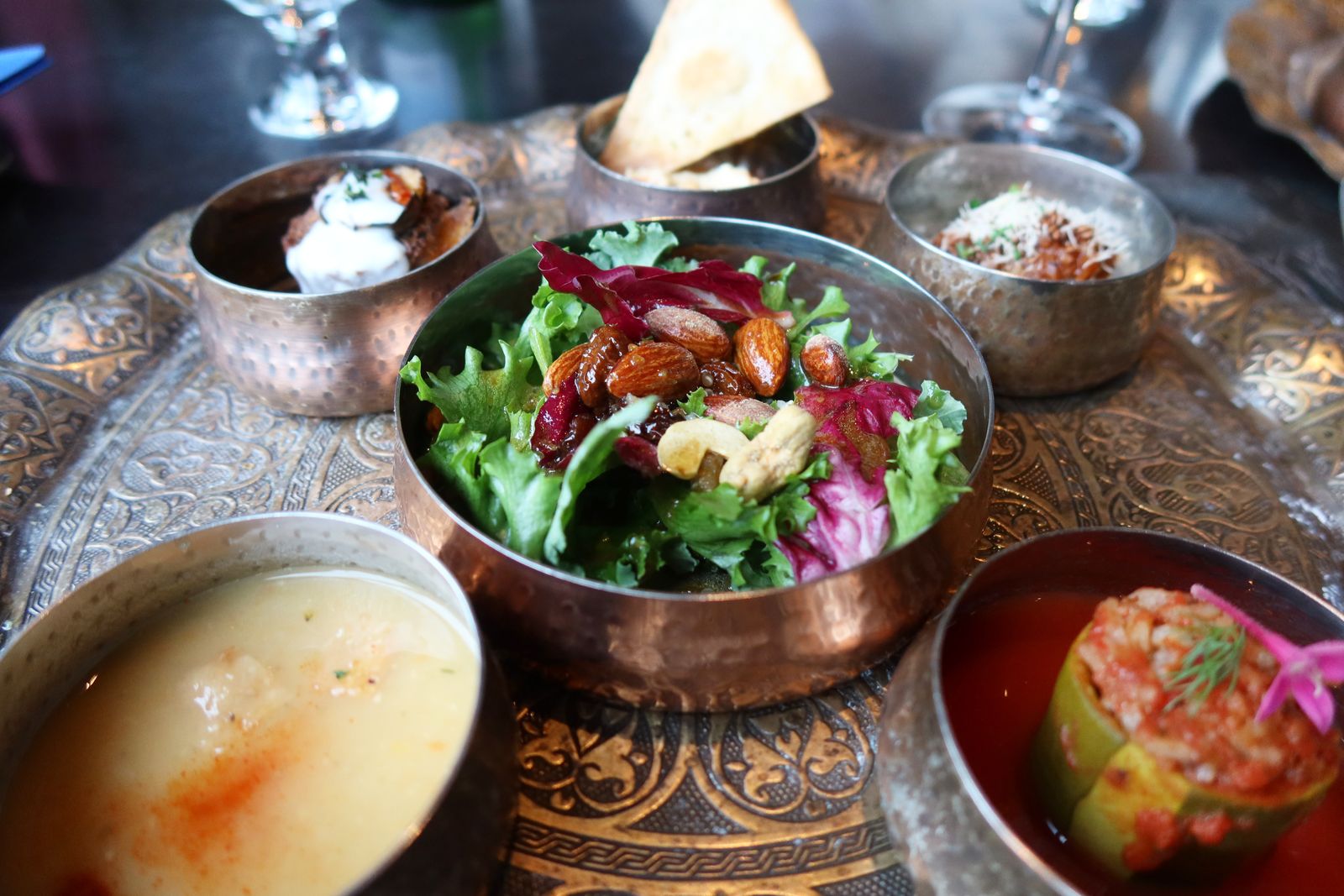
Traditional Japanese dishes served in copper bowls

食 Cuisine

Kaiseki: a cuisine that reads the season

A kaiseki menu is a calendar you can eat: ayu in June, matsutake in October, fugu when the sea turns cold. We follow one Kyoto chef's autumn menu from market to counter.

Taste the season
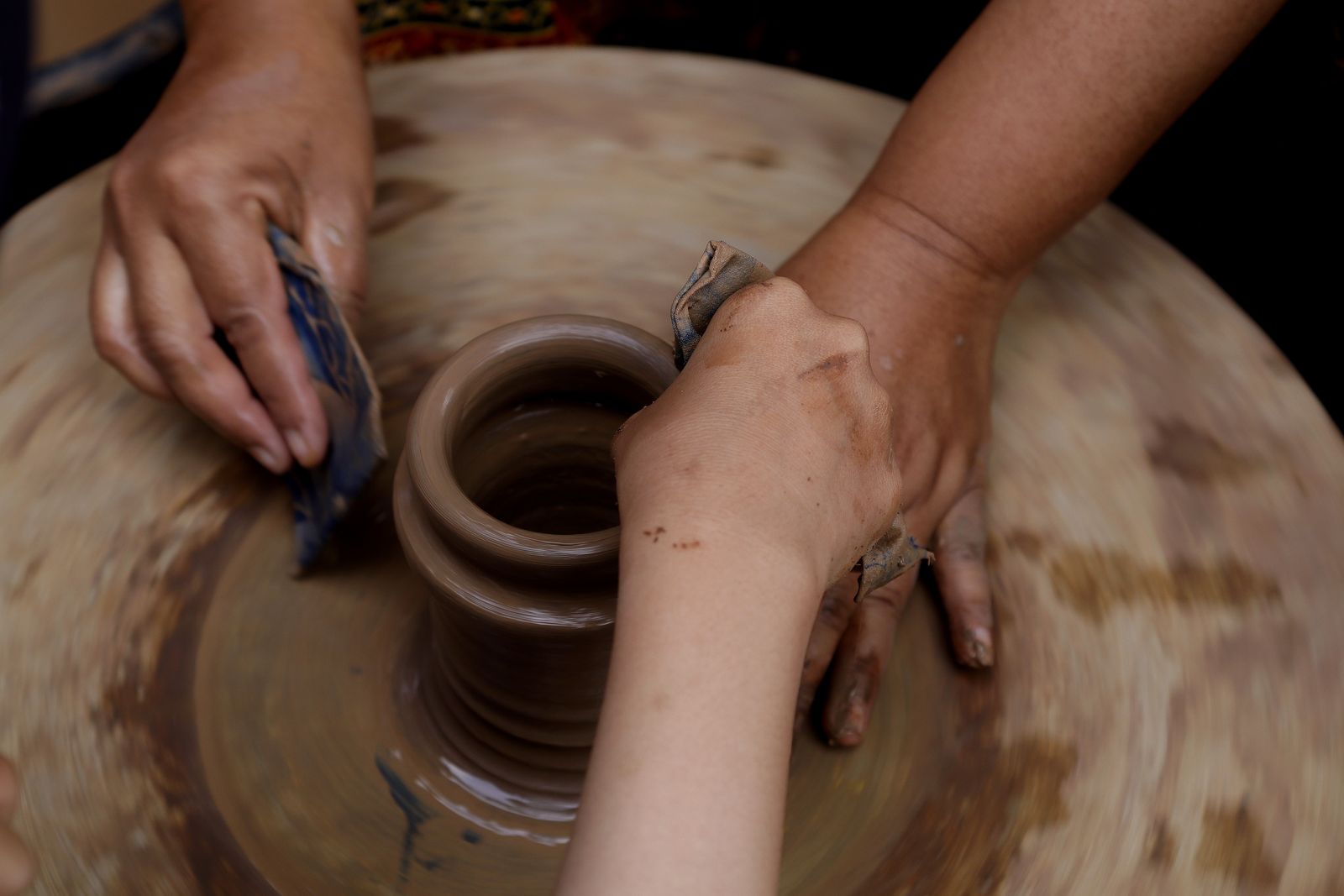
Hands shaping clay on a potter's wheel

工芸 Craft

Hands of Echizen: seven centuries of the wheel

In Fukui's pottery villages, the government's Japan Heritage programme funds young apprentices to keep six ancient kilns — and the soil knowledge behind them — alive for an eighth century.

Visit the kilns
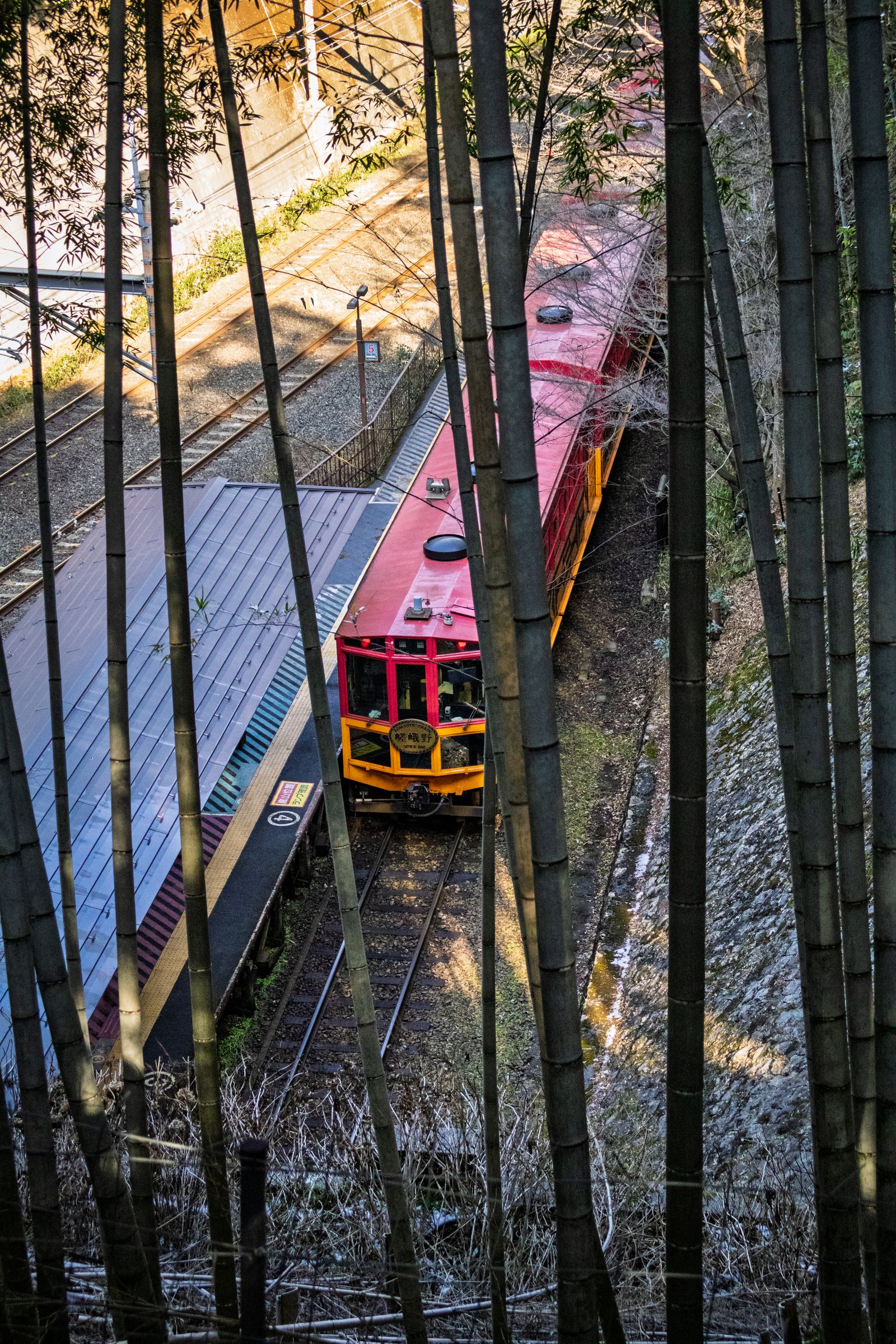
The Sagano Romantic Train passing through Kyoto's bamboo grove

地域 Regions

The slow train through the bamboo

Japan's regional railways lose money and keep running — because a line is a lifeline. New 'tourism trunk line' funding lets the Sagano and Tadami lines sell the journey itself as the destination.

Ride the slow lines
秋の政策

Heritage Forward: the Agency for Cultural Affairs designates twelve new Japan Heritage sites for 2026 — from Himeji's castle-town foodways to the charcoal coasts of Kishū. See the news digest →

ふゆ Winter — the quiet engineers

Two metres of snow can fall on a Hokkaido town in a weekend, and the trains still run. Winter is when Japan's real character shows: warmth engineered, commons kept, light made from ice.

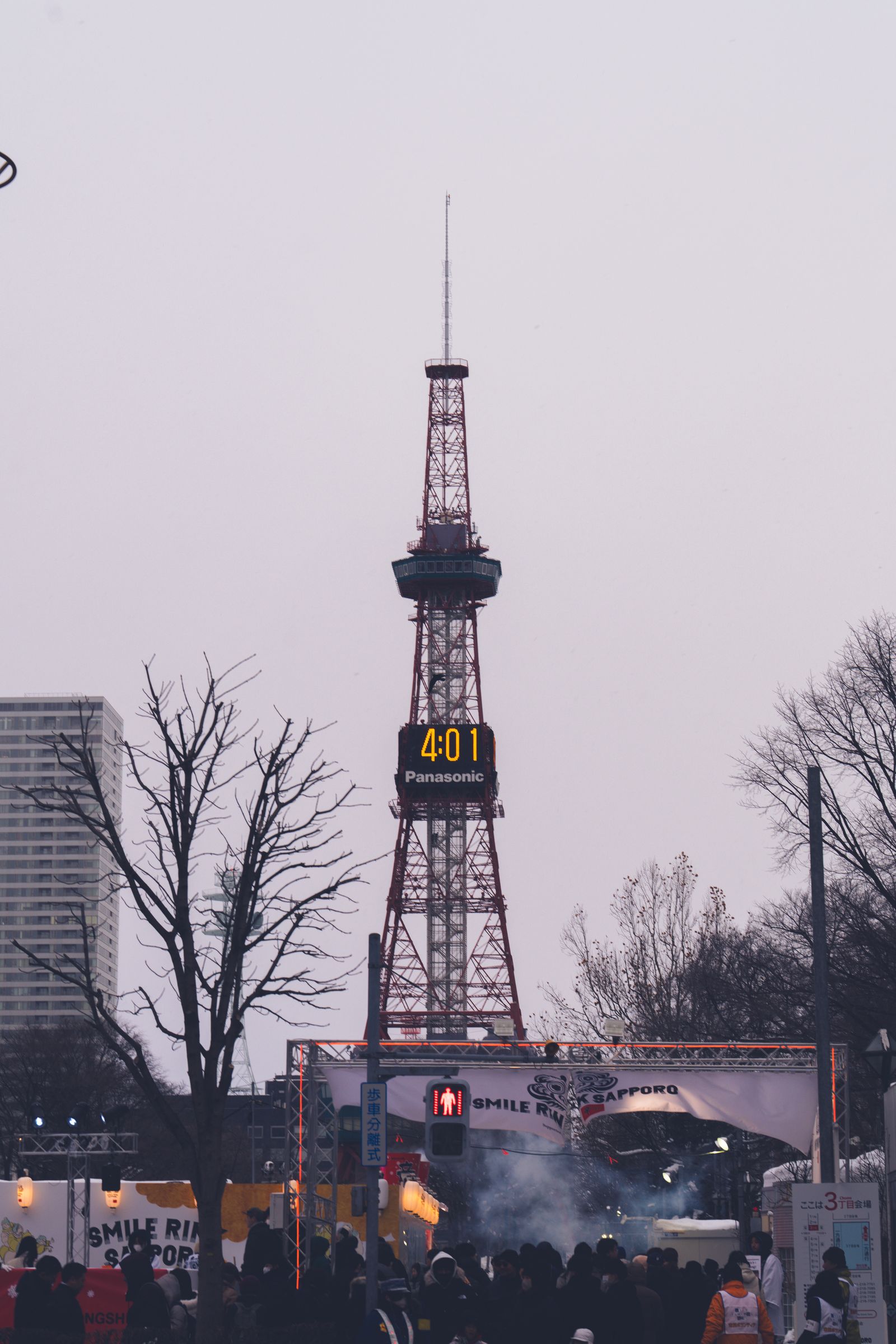
Sapporo TV Tower in falling snow at dusk

革新 Innovation

Snow country: how Hokkaido engineers winter

Road-heating loops fed by onsen runoff, avalanche radar shared with the ski resorts, snow cleared by crews timed to the minute — in Sapporo, winter is not weather, it is infrastructure. The Snow Festival is simply its public exhibition.

Read the feature
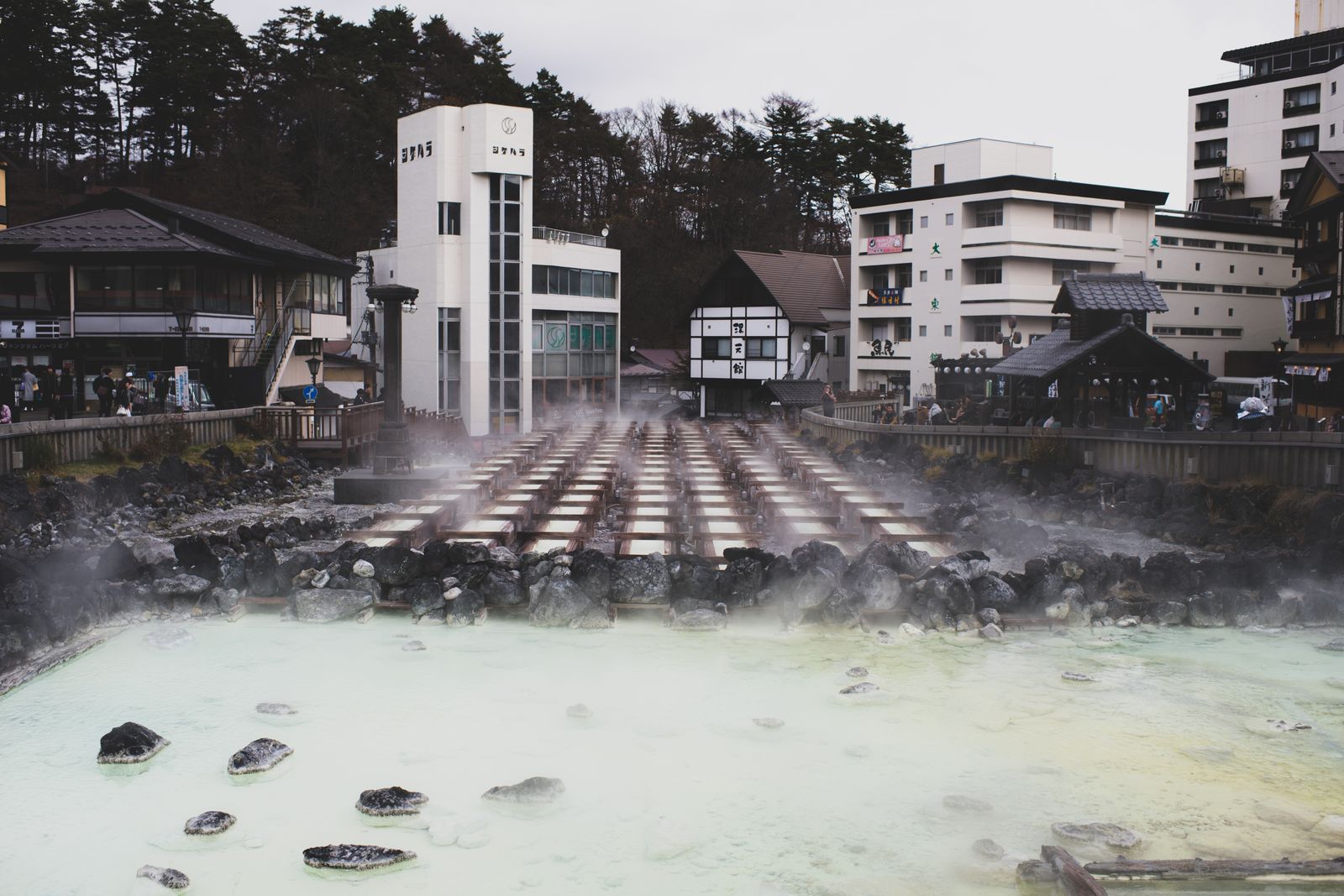
Steam rising over Kusatsu hot spring town

伝統 Tradition

The onsen compact: hot water as commons

Kusatsu's sulphur fields have been managed collectively for eight centuries — bathers pay, the town stewards, the mountain provides. A template the government now studies for community energy.

Enter the bath
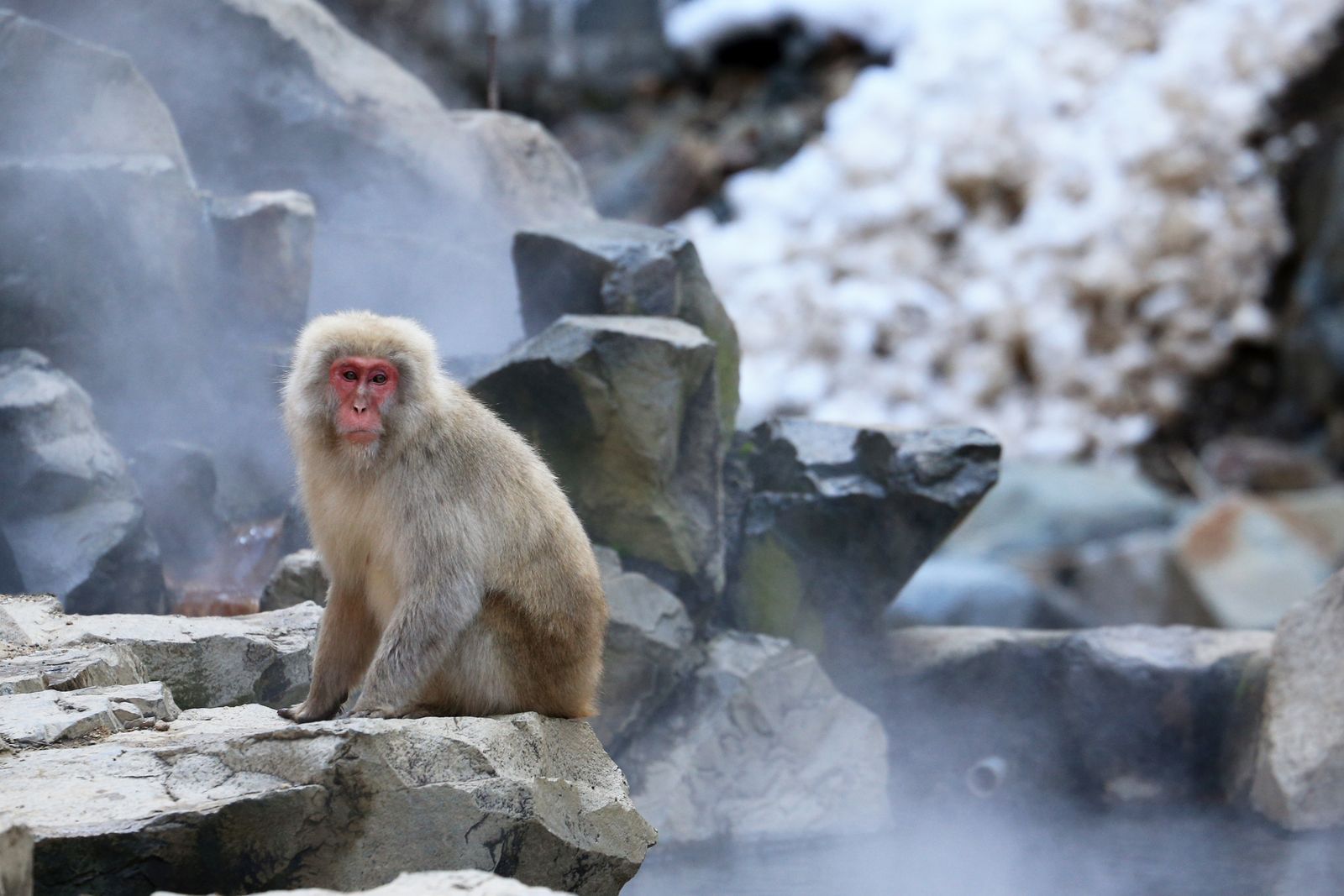
A Japanese macaque soaking in a steaming hot spring

自然 Nature

Monkeys of the valley: Jigokudani's quiet diplomacy

The snow monkeys bathe; the world watches. Nagano's macaque park is a research station first and an attraction second — a model of tourism kept honest by science.

Meet the troop
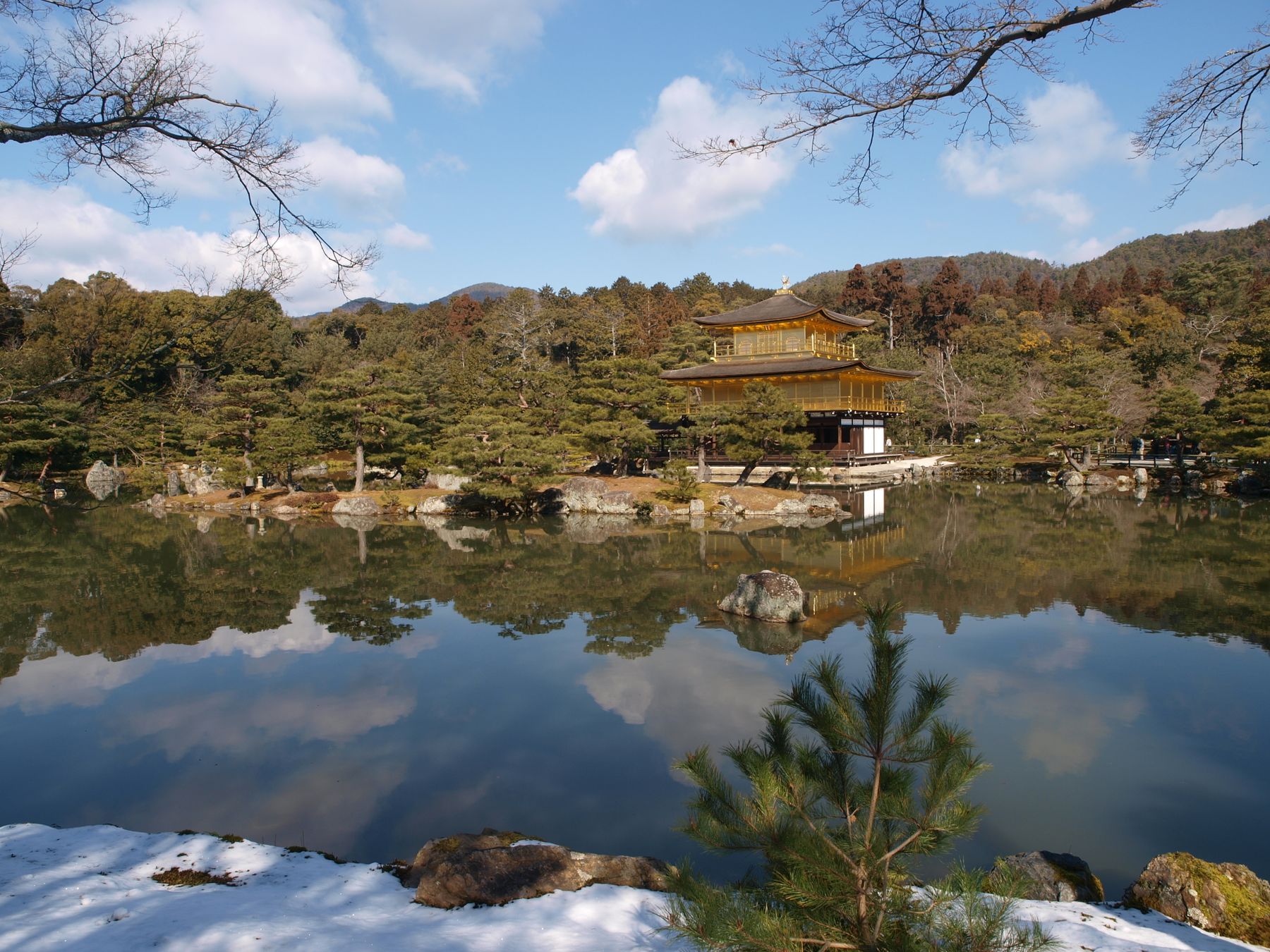
Kinkaku-ji, the Golden Pavilion, reflected in its pond in winter

伝統 Tradition

The Golden Pavilion and the art of repair

Kinkaku-ji is re-leafed in gold every few decades, on schedule, without ceremony. Permanence in Japan is not a state — it is a maintenance plan.

The philosophy of upkeep
冬の政策

Resilience Budget: ¥1.1 trillion for snow-country infrastructure — heated road networks, disaster-tech procurement, and a national snow-depth sensor mesh open to every ski town and farmer. See the news digest →

筋 · The threads that run through the year

Three threads, one country

Every story on this portal carries at least one thread. Pull one, and a different Japan comes into focus.

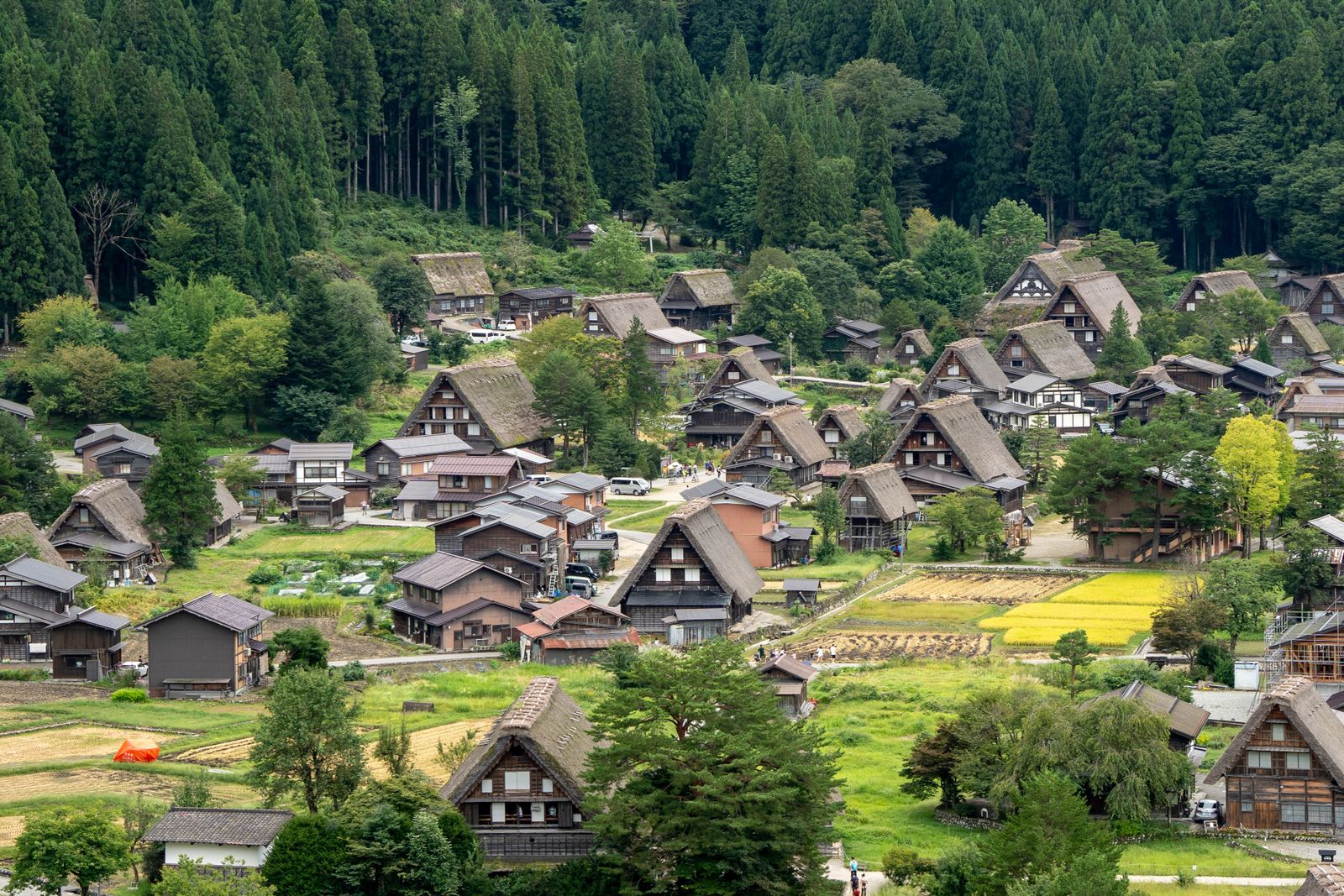
Gassho-zukuri farmhouses of Shirakawa-go

伝統 Tradition冬 Winter

Shirakawa-go: villages that breathe with the mountain

Steep thatch, steeper snow, and a roofing tradition — yui — that still conscripts the whole village.

A white humanoid robot in Tokyo

革新 Innovation夏 Summer

A robot for every neighbour: care tech in an ageing Japan

Robotics policy meets demography — companion and lifting robots move from expo floor to elder-care subsidy lists.

Long-exposure arc of a rocket launch at night

革新 Innovation夏 Summer

From Tanegashima to orbit: Japan's quiet space decade

H3 rockets, lunar landings by private firms, and a space fund that finally talks like a venture capitalist.

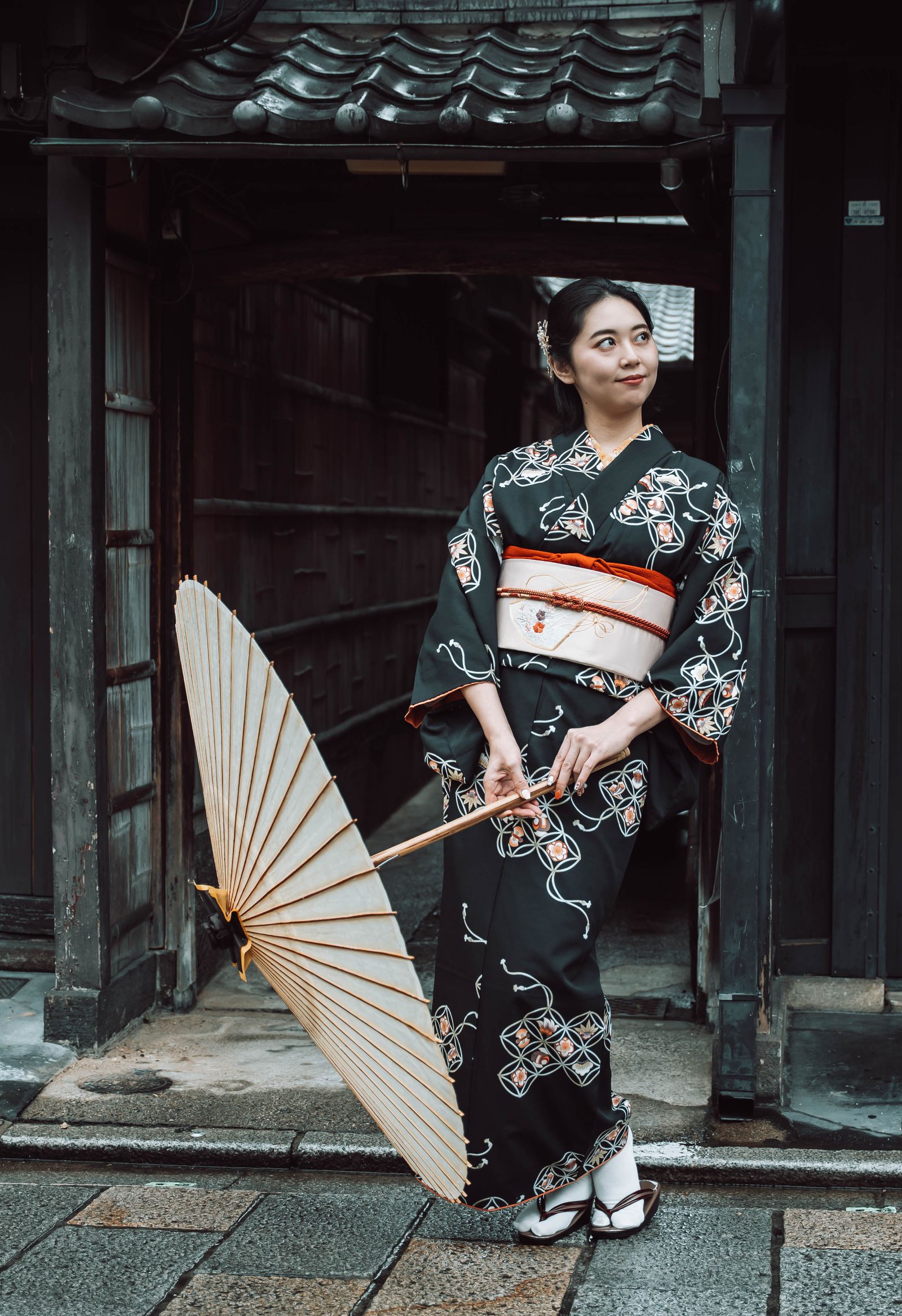
A woman in kimono with a paper umbrella on a Kyoto street

伝統 Tradition秋 Autumn

Nishijin threads: the loom that never stopped

Kyoto's 1,200-year-old weaving district rewires itself — obi by day, carbon-fibre textiles by night.

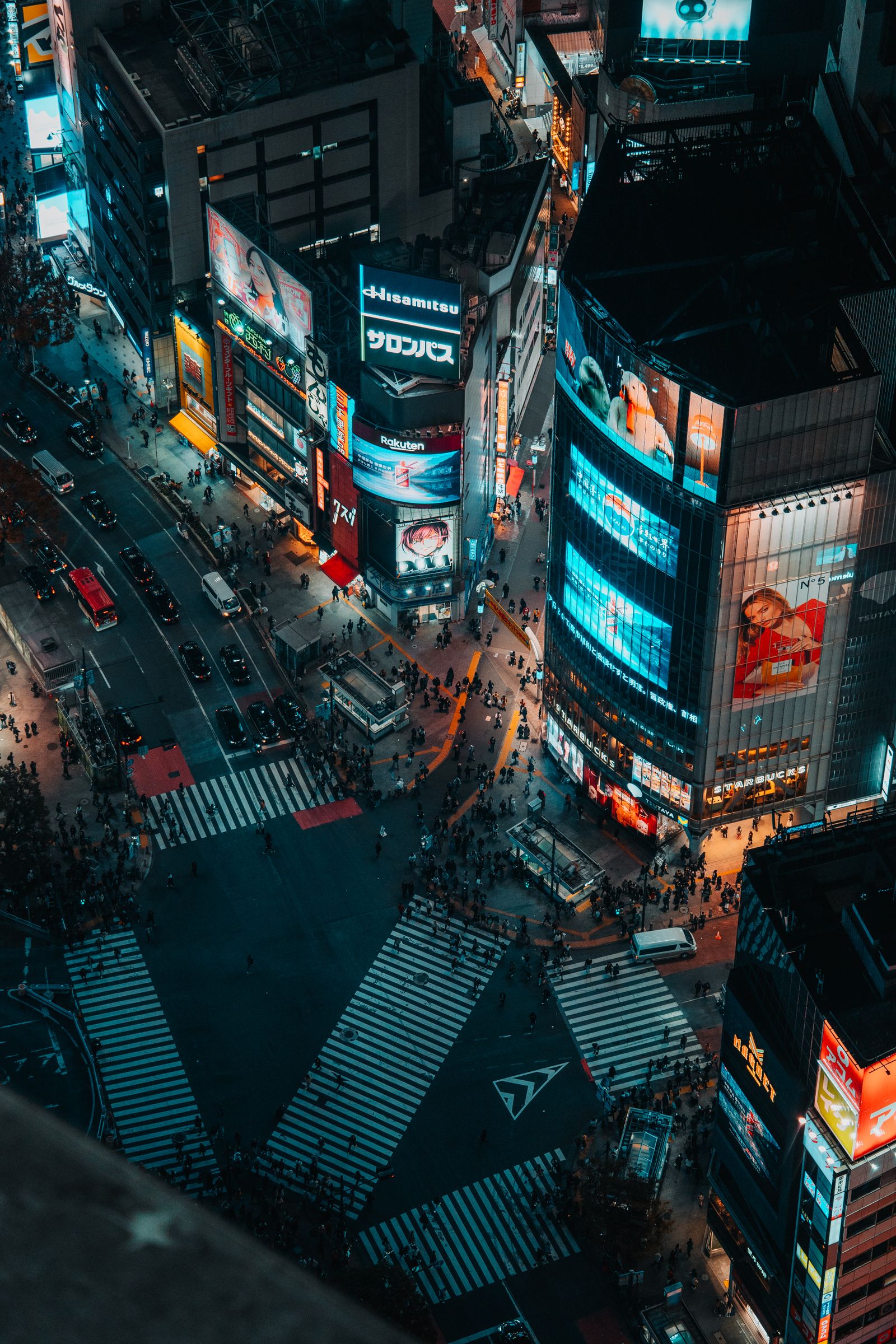
Aerial view of Shibuya Crossing at night

革新 Innovation夏 Summer

Tokyo after dark: designing a 24-hour city

Night-time economy zones, late trains on trial, and a metropolis learning to sleep less without fraying.

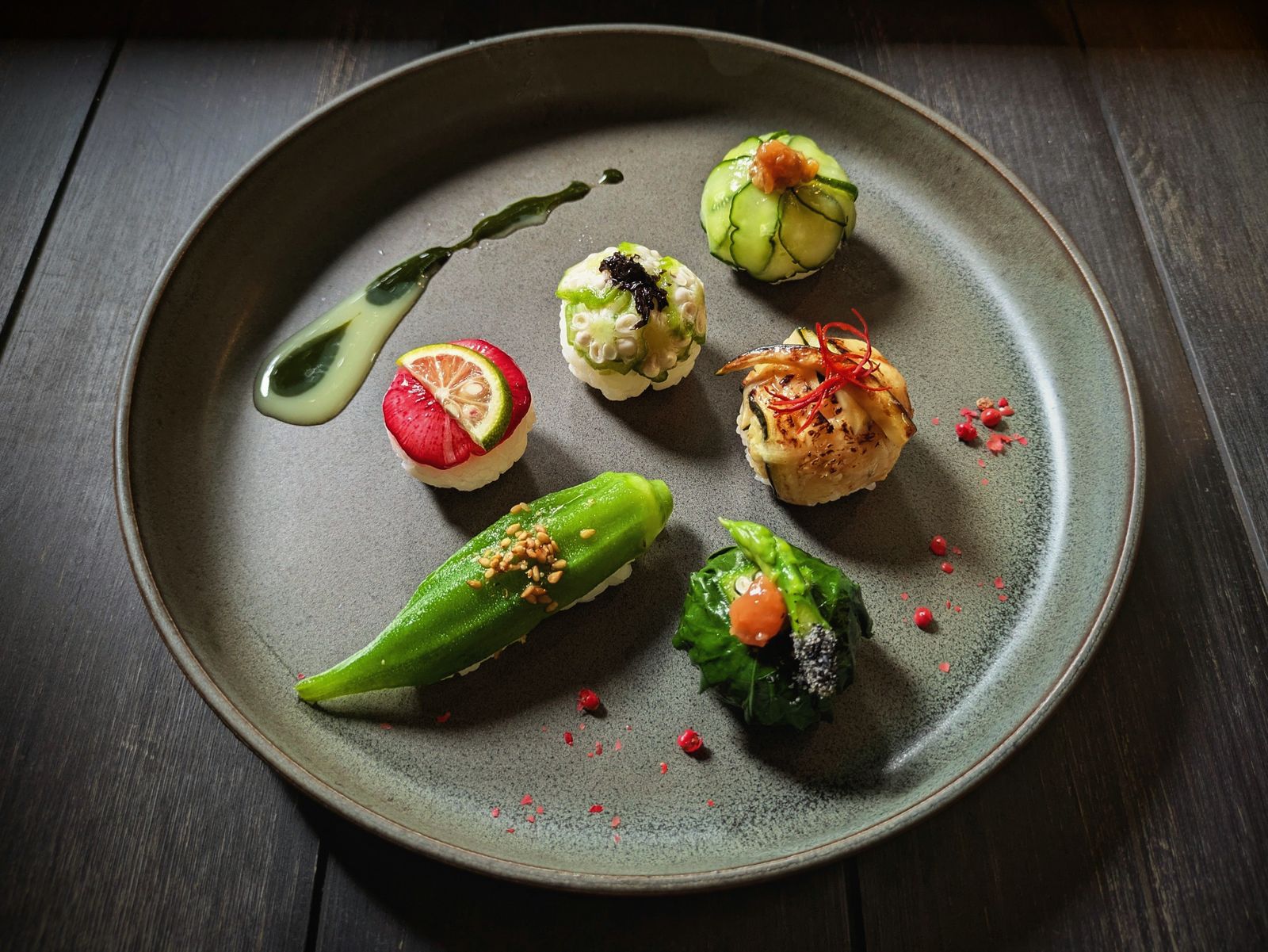
A gourmet sushi platter on ceramic

伝統 Tradition秋 Autumn

Washoku, listed: UNESCO and the everyday table

World-heritage cuisine turns out to be lunch — how a dietary culture is taught in every school canteen.

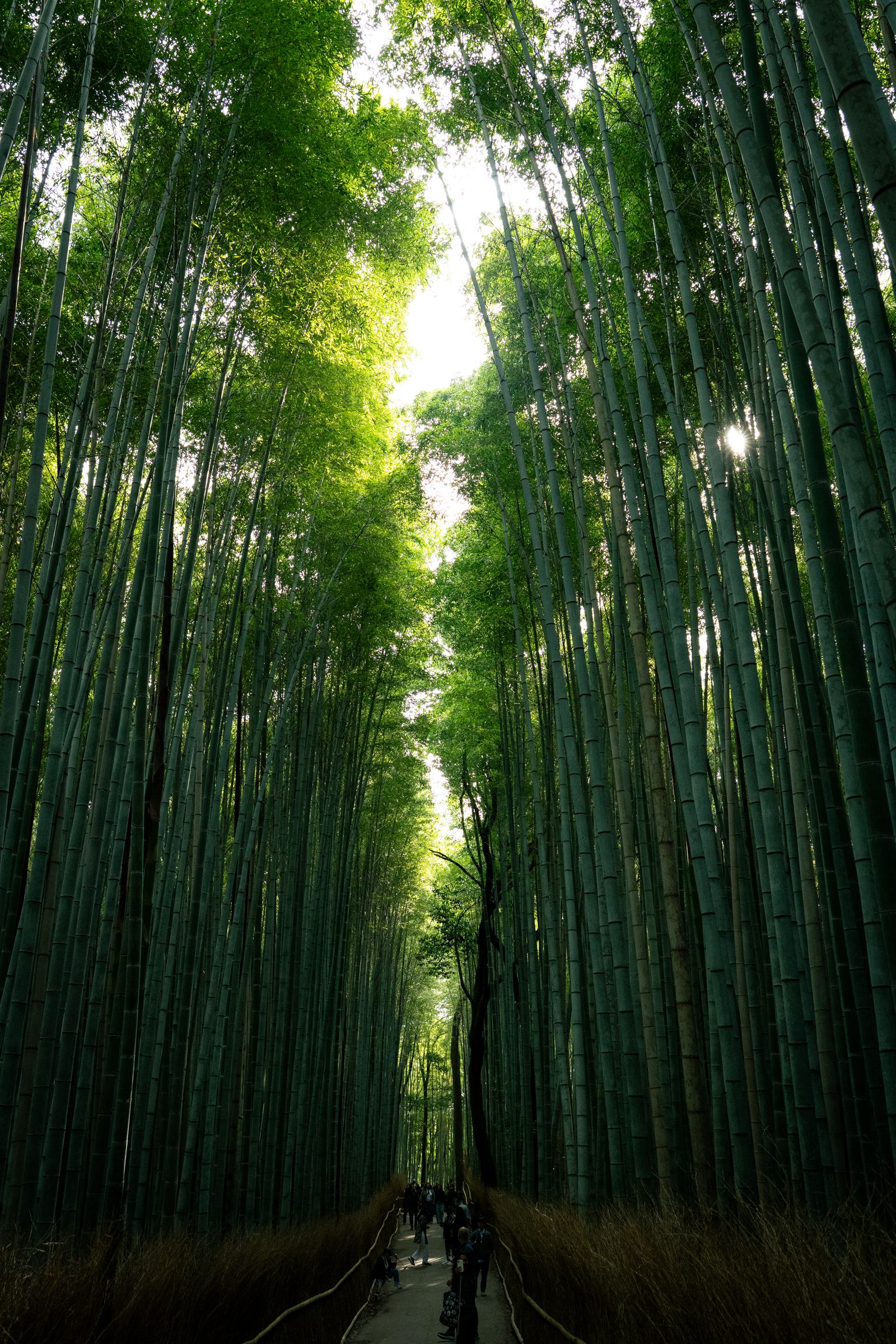
The Arashiyama bamboo grove in Kyoto

環境 Sustainability春 Spring

Bamboo fast: Arashiyama's carbon-capture groves

Harvested on rotation, bamboo outruns cedar on carbon — and Kyoto's grove is now a managed carbon asset.

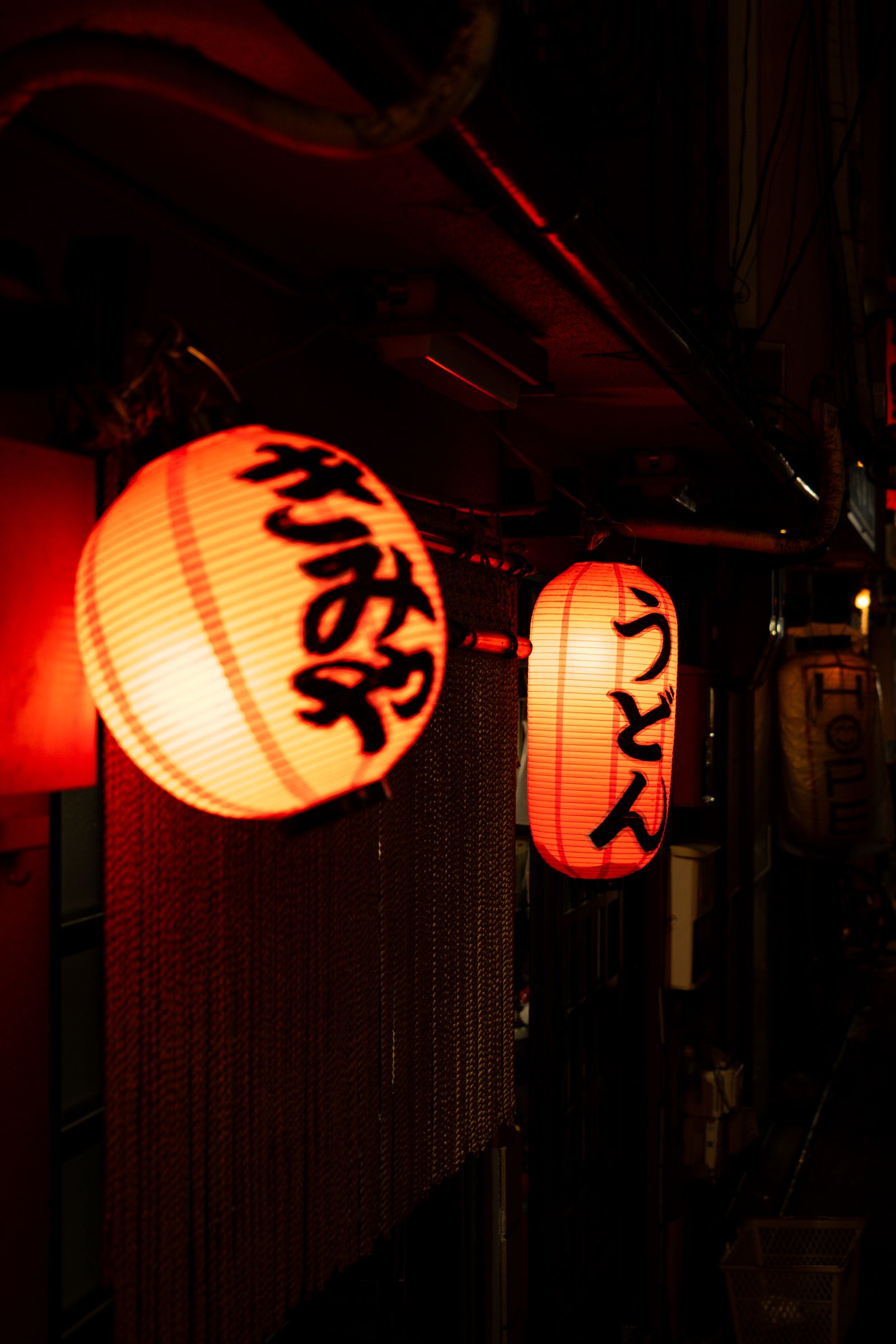
Lanterns glowing in a Kyoto alley at night

環境 Sustainability秋 Autumn

Lantern districts: Kyoto's night economy, rebalanced

LED lantern retrofits cut a machiya district's night load by half — without dimming its atmosphere.

Himeji Castle amid autumn colour

環境 Sustainability秋 Autumn

Castle towns as climate havens

Thick walls, deep eaves, shared shade: Himeji studies what Edo urbanism can teach heat-stressed modern cities.

便り · From the Government

Policy & news digest

The working week of the Japanese government, in brief — dated, sourced and plainly written.

Tokyo skyline by night

経済 Economy

Cabinet approves ¥4.2 trillion Green Transformation package for regional decarbonisation hubs

Twelve regional hubs — from Hokkaido's wind corridor to Kyushu's hydrogen ports — receive multi-year funding under the GX 2040 roadmap, with community ownership quotas written into every grant.

Full statement (Cabinet Secretariat)

窓口 · The stepping stones

A garden path to every service

Three stone paths through the garden — for the people who live here, the firms that build here, and the guests who visit. Step on one.

Get $10 off Kimi K3